Complete Guide · 6 Articles

Build a Morning That
Changes Everything

Most people hand their first hour to their phone and wonder why the day feels reactive. This guide gives you the science, the habits, and the step-by-step framework to take it back.

Articles 6 in-depth reads
Read time ~55 min total
Level Beginner to Advanced
Updated June 2026

The morning routine is one of the most searched lifestyle topics on the internet — and for good reason. The first 60 minutes after you wake up set the neurological and emotional tone for everything that follows. How you spend that window — in cortisol-spiking scroll sessions or in intentional, grounding habits — compounds quietly, day after day.
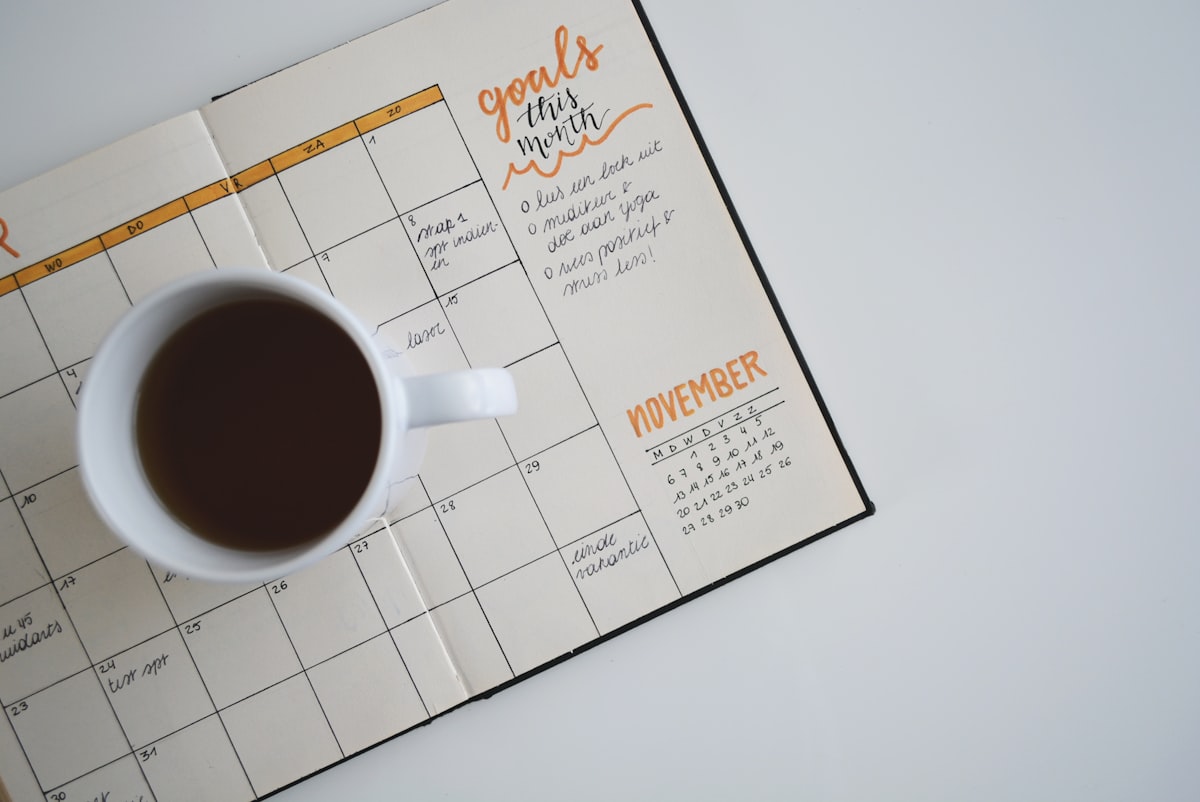
Morning light through a window — the foundation of a great morning routine
The first hour sets the tone. How you spend it is everything.

This guide brings together six deep-dive articles covering the why, the how, the specific habits, and the neuroscience — so you don't just read about a morning routine, you actually build one that sticks.

What this guide covers
  • Why the first hour of your day matters more than the rest (with the science to back it)
  • A step-by-step framework for building a morning routine from scratch
  • The 5-minute journal method that rewires how you start every day
  • Why your phone is the single biggest threat to a good morning — and what to do instead
  • How to fit movement into your morning without setting the alarm earlier
  • What's actually happening in your brain when you stick to a consistent routine

The Articles

6 of 6 published
01
Hook / Why it matters
Why Your Morning Routine Is the Most Important Hour of Your Day

The case for protecting your morning — and why handing your first hour to your phone is costing you more than you realise. Start here.

02
Step-by-step
How to Build a Morning Routine That Actually Sticks

A practical, no-nonsense framework for designing your morning routine from the ground up — and the common mistakes that derail most people's best intentions.

03
Specific habit
The 5-Minute Morning Journal Practice That Changes Everything

You don't need to write pages. Five focused minutes with the right prompts can reduce anxiety, sharpen clarity, and change how you approach every single day.

04
Digital angle
Why You Should Stop Checking Your Phone First Thing in the Morning

That reflex to check notifications before you're fully awake is silently sabotaging your focus and mood. Here's what happens — and the simple rule to break the habit.

05
Body angle
Morning Movement: How to Add Exercise Without Waking Up Earlier

You don't need an extra hour. This article shows you how to fold movement into the time you already have — from 5-minute micro-sessions to smart sequencing tricks.

06
Science-backed
What Happens to Your Brain When You Have a Consistent Morning Routine

The neuroscience of habit, cortisol rhythms, and dopamine — why consistency is the only variable that actually changes your brain, and how long it actually takes.

Free Download · PDF Checklist
Your Morning Routine
Starter Checklist

A one-page reference covering all six habits from this guide. Print it, pin it, or keep it on your phone — for the mornings when you need a nudge.

Download Free
Interactive · Use it every morning
Morning Routine Checklist
Your mornings don't have to be perfect. They just have to be intentional.
0 Getting there
0 / 14 done
☀️ Wake Up Right 0 / 4
Set a consistent wake time
Same time every day — even weekends
No phone for the first 30 minutes
Protect your attention before it gets hijacked
Open curtains / get natural light
Signals your brain that the day has started
Drink a glass of water immediately
You've been fasting for 7–8 hours
🏃 Move Your Body 0 / 3
5 minutes of light stretching or yoga
Cervical rolls, cat-cow, forward fold
Morning walk or workout (15–30 min)
Even a short walk counts — movement is movement
Cold shower (optional but powerful)
End your shower with 30 sec of cold water
📖 Feed Your Mind 0 / 4
5-minute journaling
3 things you're grateful for + today's intention
Read for 10 minutes (non-fiction)
Books > social media for your morning brain
No news / social media before 9am
Protect your focus window
Set your top 3 priorities for the day
Write them down — not just think about them
🥗 Fuel Up Smart 0 / 3
Eat a protein-rich breakfast
Aim for 25–35g protein within 1 hour of waking
Avoid sugary cereals / processed foods
They cause energy crashes by 10am
Coffee / tea after 90 min of waking
Delay caffeine to avoid the cortisol spike crash
How to use this guide
1
Read Article 1 first. It gives you the foundational "why" — without that context, the other articles won't hit as hard.
2
Don't try everything at once. Pick one habit from Articles 3–5 and do it for two weeks before adding the next. Stacking too fast is why most routines collapse.
3
Read Article 6 when you hit resistance. Knowing what's actually happening in your brain on day 12 (when it feels pointless) is the most powerful motivator you'll find.
4
One article a week works well. Digest, implement, then read the next. This guide is built to be lived, not just read through in one sitting.

Key Takeaways

🧠
Your brain is most plastic in the morning
Cortisol peaks 30–45 minutes after waking. What you do in that window shapes your mood, focus, and stress response for the rest of the day.
📵
The phone check is the silent killer
Checking your phone within minutes of waking floods you with reactive thinking before your brain has finished its natural warm-up cycle.
✍️
5 minutes of journaling beats 30 minutes of scrolling
A short, focused writing practice activates your prefrontal cortex and builds emotional regulation over time — more than any notification ever will.
🏃
Movement doesn't require a new alarm
Even 7–10 minutes of intentional movement in the morning raises BDNF levels and primes your brain for learning, decision-making, and creativity.
🔁
Consistency is the only lever
It's not about the perfect routine. A simple, repeatable sequence done daily for 30+ days will outperform an elaborate one done sporadically.
📈
The compounding effect is real
A well-designed morning routine doesn't just improve your mornings. Research shows it improves sleep, reduces decision fatigue, and lifts baseline mood over time.
Get the next guide in your inbox

We write one guide at a time — no filler, no daily emails. Just well-researched, actionable content on modern living, delivered when it's ready.

Join the Flex Cult Newsletter →
Frequently Asked Questions
Why does the first hour of your day matter so much?
The first 60 minutes after waking are neurologically distinct from the rest of the day. The cortisol awakening response — a natural cortisol peak in the first 30–45 minutes — primes alertness, focus, and physical output. How you spend this window (in reactive scroll sessions vs intentional habits) sets the emotional and cognitive tone for everything that follows. The pattern compounds quietly, day after day.
What are the most important elements of an effective morning routine?
Three elements have the strongest evidence base: a consistent wake time (anchors the circadian clock), avoiding the phone for the first 20–30 minutes (protects the cortisol awakening response from reactive dopamine stimulation), and some form of physical movement — even 5–10 minutes raises BDNF and sets a positive physiological tone. Everything else is personal preference layered on these three.
How do you build a morning routine that actually sticks?
Design for your worst day, not your best. A 20-minute routine you do every day beats a 90-minute routine you abandon by Wednesday. Build the minimum viable version first, make it consistent for four weeks, then extend it. The routine must also be protected the night before — laying out workout clothes, setting a consistent wake time, and keeping the phone out of the bedroom are all evening decisions that determine morning outcomes.
Should you check your phone in the morning?
Ideally not in the first 30 minutes. The morning window is the highest-vulnerability period for variable reward systems (social media, news feeds) to establish compulsive checking patterns because prefrontal cortex function is reduced during sleep inertia. Checking the phone immediately after waking primes a reactive cognitive mode that fragments attention for hours. This guide covers the neuroscience and practical alternatives in detail.
How do you fit morning movement in without waking up earlier?
Replace rather than add. The framework in this guide is built on substituting existing low-value morning time (lying in bed, extended scrolling) with movement — not on setting the alarm 45 minutes earlier. Even 10–15 minutes of purposeful movement within your existing schedule produces measurable physiological benefits. The key is having a plan in place the night before so there is no decision to make in the morning.